An oven-safe container has to do more than just withstand heat. It needs to hold its shape, keep food in, be safe to handle, and perform reliably hundreds of times a week for a catering or meal prep business. The problem is that “oven-safe” is a loose term, and something that microwaves well can do very badly in an oven. This guide will help you choose oven-safe food containers for catering and meal prep, understand how to read their ratings, identify suitable materials, learn which materials to avoid, and understand what Canadian rules and food-safety temperatures mean for your choice.
How to Choose Oven-Safe Food Containers
1. Don’t Just Go by the Label—Look for the Rating
An “oven-safe” indicator is not enough. A proper rating gives a maximum temperature and often a time limit. For instance, one supplier rates its plastic and paper containers for up to 400°F for up to 30 minutes, and many CPET trays are listed as suitable from -40°C to 200°C. Check the max temp, the time limit and whether the rating covers the lid as well as the tray. If the supplier cannot provide a clear rating for the specific product, consider it unrated.
2. Understand Your Oven-Safe Materials
Most ovenable disposable containers are made from three materials.
CPET (crystallized polyethylene terephthalate). A heat-resistant plastic for dual-ovenable trays that go from freezer to oven to table. CPET is knife- and grease-resistant, and trays are typically sealed with film for shipping. It is widely used in ready meals and frozen entrees.
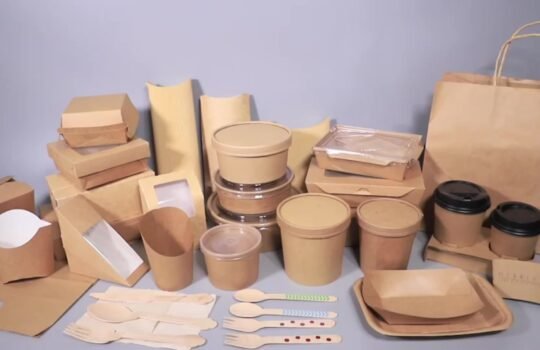
Paperboard. Many ovenable paperboard trays, often coated to be grease- and moisture-resistant, are good for baked dishes and reheating, and most are rated up to about 400°F. They look more natural and are usually used for takeout food.
Aluminum. Foil pans are good for baking, roasting and reheating because they conduct heat evenly and can go directly from the freezer to the oven when specifically rated for freezer-to-oven use. They are strong and stackable, which is why they are a catering staple. Don’t put aluminum in the microwave.
Compostable and other paperboard-based ovenable options are also available, so if sustainability is a concern for your menu, ask about the heat rating and certification behind any claim.
3. Understand Canada’s Rules on Certain Plastics
Under Canada’s Single-use Plastics Prohibition Regulations, it is prohibited to manufacture, import and sell foodservice ware made from or containing certain “problematic plastics,” such as polystyrene foam, PVC, oxo-degradable plastics and black plastics made using carbon black. This matters here because black CPET trays are common in the ovenable space. The restriction applies to foodservice ware containing carbon black, not necessarily every black-coloured plastic product. Rules depend on how a product is classified and used, so ask your supplier if a particular tray is compliant and consider non-black options to avoid the question.
The regulations remain in force following the Federal Court of Appeal’s January 30, 2026, decision upholding the listing of plastic manufactured items under the Canadian Environmental Protection Act, 1999.
4. Know What Should NOT Typically Go in the Oven
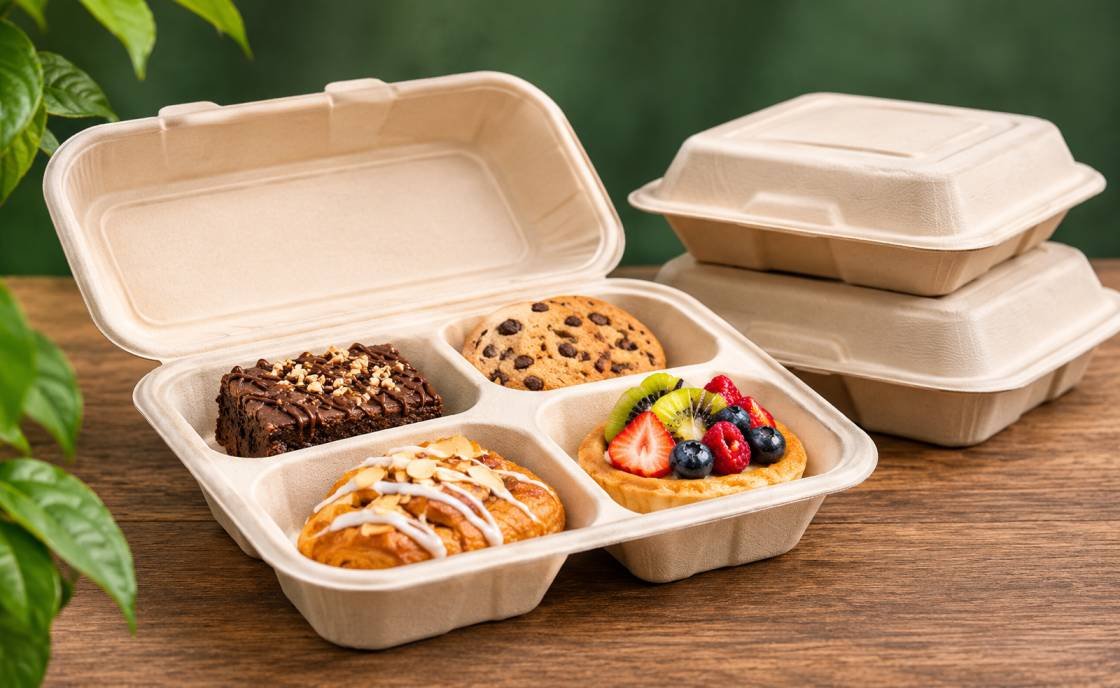
Some materials are rated for microwave or cold use only. Standard PLA is not heat-resistant, and CPLA can only handle very mild heat. Moulded fibre and bagasse are generally rated for short microwave reheating, not oven baking, unless the manufacturer provides an oven rating. Polypropylene is safe for use in the microwave but is typically not rated for oven temperatures. Do not put polystyrene foam in an oven. Plastic lids and film are also typically not oven-safe, even if the tray is, so remove them before heating unless otherwise specified.
5. Match the Container to the Job
Catering and meal prep have different container needs.
Catering: Food should be hot and remain hot. In Canada, hot foods must be held at 60°C (140°F) or above. If food drops below that temperature, follow applicable local food-safety time limits. Depending on how long it has been below the safe holding temperature, it may need to be reheated promptly or discarded. Rigid, stackable trays that can be reheated on sheet pans are best, as are trays that can withstand sauces and grease to avoid any leaks.
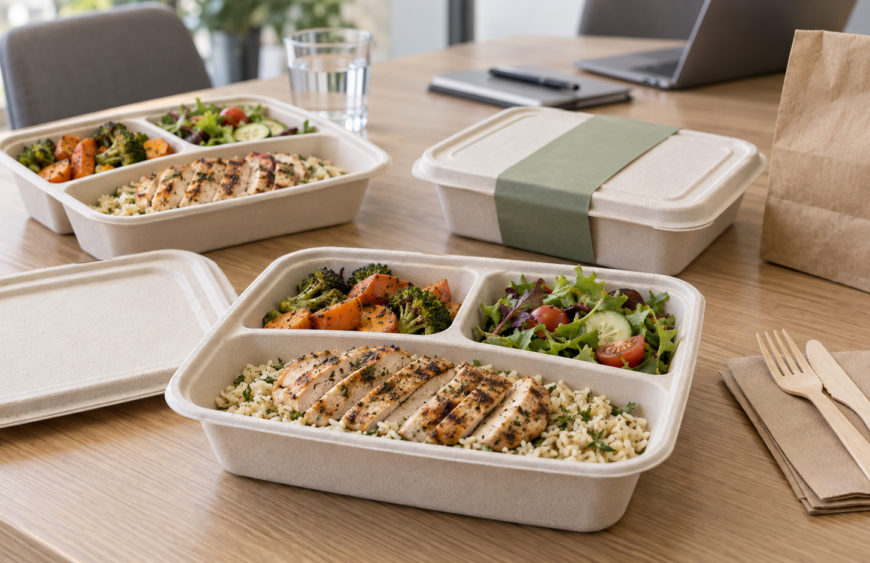
Meal prepping: Containers are transferred from the freezer or fridge to the oven. CPET is designed for that freezer-to-oven transition and can be used in conventional and microwave ovens when specifically rated for both, with compartment trays keeping parts separate. Most customer errors can be avoided by printing clear instructions on the lid or sleeve, for example: heating temperature, heating time and “remove film”.
6. Handle Them With Care
Some habits prevent most of the problems. Place a tray on a baking sheet for support and easy handling. Do not exceed the rated temperature and time. Keep trays away from heating elements, broilers and open flames. Do not use a lid or plastic wrap unless it is oven-safe. Check the temperature of reheated food with a probe thermometer to ensure it reaches at least 74°C (165°F) for 15 seconds. You cannot rely on the appearance of the container. Hot trays may become flexible, so lift them from the bottom.
7. Think About Sustainability
It is tempting to choose a container for its green credentials, but the claim must match the product. Ask for the documented heat rating, the certification supporting any compostability claim, and guidance on where the container can be disposed of locally, since access to recycling and composting varies by municipality. Regardless of the material, waste can be reduced by using the right size for each portion and carrying fewer container types.
Quick Checklist Before You Order
A few questions can help guide most purchasing decisions.
- Rated temperature and rated time limit? Confirm the numbers for the tray and lid.
- Can it be frozen, and can it be used in conventional and microwave ovens? Great for meal prep, provided the product is rated for both.
- Is it compliant with Canada’s plastics regulations? Especially in black plastics.
- What do the lids and the film allow? Many are not oven-safe.
- What certifications support the sustainability claims? Demand proof.
Planetize Packaging: Find the Oven-Ready Packaging That Fits Your Kitchen and Your Values
When choosing oven-safe food containers, focus on clear ratings, the right material for the job, Canada’s plastics rules, safe food-holding temperatures, and honest sustainability claims. Get them right, and a container is one less thing to worry about on a busy production day.
Planetize Packaging provides sustainable packaging solutions for restaurants, caterers, and hospitality businesses, and can help you match packaging to how your food is actually heated and served. If you are looking at containers for a catering menu or a line of meal prep, contact Planetize Packaging to discuss what works for your kitchen and your volume.
Frequently Asked Questions About Oven-Safe Food Containers
What Does Oven-Safe Mean on Food Containers?
It means the manufacturer has rated the container for oven use, usually with a maximum temperature and often a time limit. Read the rating for both the tray and the lid, because the lid may not be oven-safe.
Can CPET Trays Go in the Oven?
Yes, provided they are rated for it. CPET is often used for dual-ovenable trays suitable for freezer, conventional oven, and microwave use, and suppliers list ratings from about -40°C to 200°C (392°F). Check the rating for your specific product.
Are Bagasse Containers Microwave-Safe?
Yes, many bagasse and moulded fibre containers are suitable for short microwave reheating. However, they are generally not rated for oven baking unless the manufacturer specifically provides an oven rating.
Are Black Plastic Food Containers Banned in Canada?
Canada’s Single-use Plastics Prohibition Regulations prohibit foodservice ware made from or containing certain problematic plastics, including black plastics that contain carbon black. Not every black-coloured plastic container is automatically prohibited. Check with your supplier to confirm compliance. The regulations remain in force following the Federal Court of Appeal’s January 2026 decision.
What Temperature Should Reheated Catering Food Reach?
Reheat food to at least 74°C (165°F) for 15 seconds using a probe thermometer, and keep hot food at 60°C (140°F) or above.