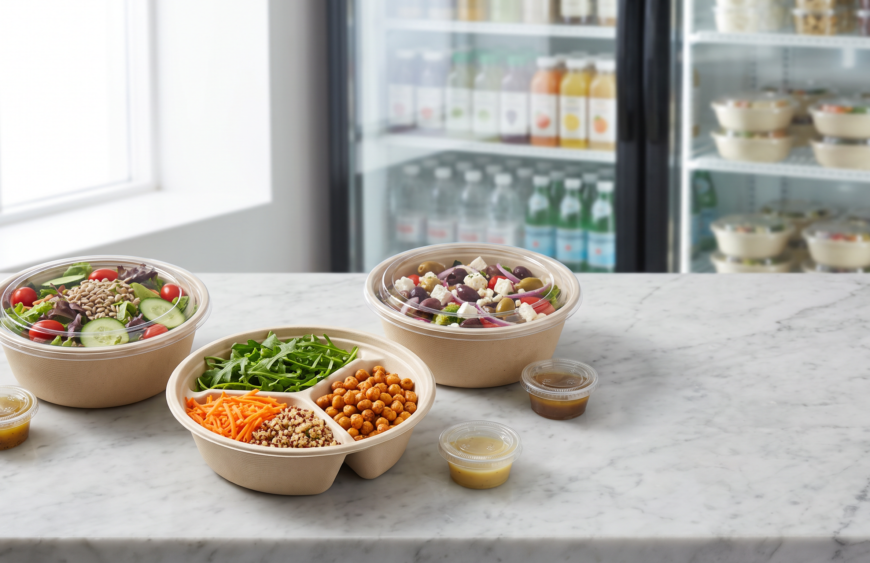
Freezing is among the best ways for a food business to extend shelf life, sell beyond the counter or batch-prepare at scale. It’s also one of the most severe packaging tests. Materials that work fine at room temperature can crack in a freezer. Moisture can escape, leaving food dry and discoloured. Canadian labels also have their own requirements. Here are the main frozen food packaging ideas used by Canadian food businesses, and what they’re good at.
Frozen Food Packaging Ideas That Work for Canadian Food Companies
Vacuum Pouches for Proteins and Portioned Items
Vacuum packing removes the air and seals tightly around the food, helping to reduce freezer burn and oxidation. It’s great with meat, poultry, seafood, and cheese, and saves freezer space per serving. Vacuum pouches are often an effective way to prevent food from drying out during storage, especially in kitchens that portion and freeze food in bulk.
Flexible and Stand-up Pouches for Sauces, Soups and Dumplings
Flexible bags and stand-up pouches work well for items you can freeze flat or in defined portions: sauces, soups, stocks, dumplings. They stack well, thaw quickly and use less material than a rigid container. A reclosable closure is useful when customers will use part of the contents and return the rest to the freezer, provided the product is handled and stored according to its food-safety instructions. Freezing flat pouches before stacking helps them maintain a uniform shape, leading to faster thawing and better use of freezer space in a commercial kitchen or home freezer. For liquids, leave sufficient headspace and use packaging designed for freezing.
Rigid Containers and Meal Trays
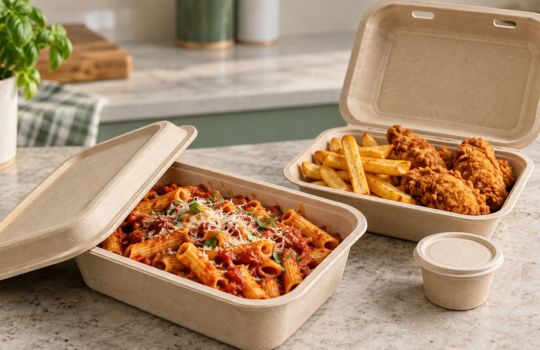
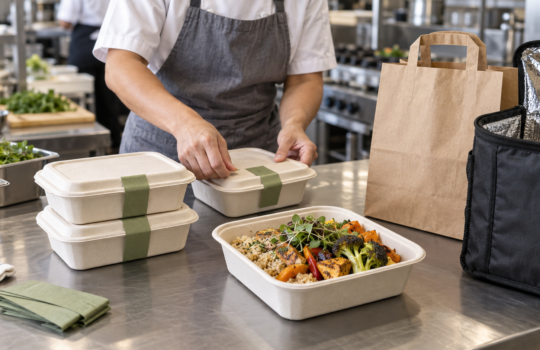
Lasagnas and entrees, as assembled meals, usually need rigid trays or containers with properly sealed lids. Polypropylene and CPET are common choices for trays, and one advantage of a tray that is also oven- or microwave-rated is that it saves the customer a step, provided the packaging is rated for the intended oven or microwave use, including the lid where applicable, and the reheating instructions are printed clearly on the pack. Whatever it is made of, it has to survive the cold of the freezer, because packaging that becomes brittle or cracks in the cold fails at the very moment it is needed.
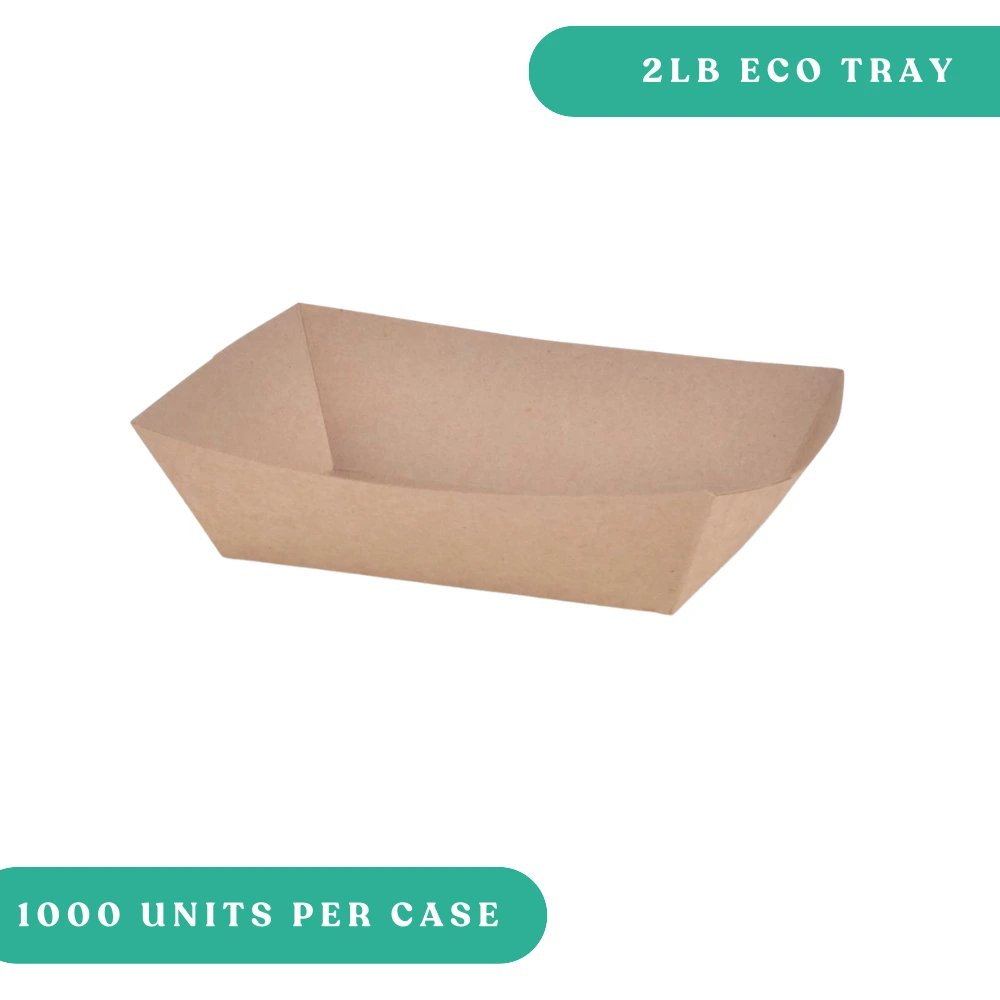
Paperboard Cartons for Stacking and Retail Presentation
Cartons give frozen products a strong retail face and stack well in freezer displays. Moisture is the enemy in a freezer, so there needs to be a proper barrier for the carton or its inner liner. Ask what the coating or liner is composed of and how it holds up after weeks in the cold. Cartons often serve as the primary retail packaging for frozen products, displaying branding, a nutrition panel, and instructions.
Portion Packs and Single-Serve Formats
Single-serve, portion-controlled packs reduce waste because customers defrost only what they need. They also enable food businesses to control the cost per serving and keep serving sizes consistent across the menu. Portioned formats are often easier to price, label and stock for caterers and restaurants selling frozen items to go.
Protecting the Cold Chain in Transit
You can’t replace a broken cold chain with packaging. In Canada, commercial freezers are designed to hold food at -18°C (0°F) or lower. The product should remain frozen at the appropriate storage temperature throughout transit. Insulated shippers and frozen gel packs are useful for delivery, and the amount you need depends on the distance and the time it takes to get there, so check with your carrier to see how long the product will actually spend in transit.
Canadian Frozen Food Packaging and Labelling Requirements
In Canada, frozen product packaging must also carry the right information. Mandatory information, such as storage instructions (e.g., “Keep Frozen”), for consumer prepackaged food must be shown in English and, where required, in French. Best-before date requirements depend on the type of food and applicable exemptions. A package that is too small for bilingual labels is a design problem, not a printing problem. The printing area must be planned from the outset.
What to Look for in Frozen Food Packaging
Most frozen packaging failures stem from a few mistakes.
- Excess air in the package. Trapped air can cause freezer burn.
- Unverified cold tolerance. Check any material’s performance at freezer temperatures. Some materials get brittle in the cold.
- Lids that don’t seal well. A loose seal lets moisture escape and allows ice to get in.
- Late label planning. Bilingual panels take up room, so decide layout before pack size.

Stock Frozen Packaging at Bulk Prices Without Cutting Corners, Only at Planetize Packaging
Good frozen food packaging in Canada is about preventing moisture loss, fitting the product format, having a compliant bilingual label and supporting the cold chain after the pack leaves the kitchen. There’s no single pack for everything; the format is chosen to match each product, helping preserve its quality during frozen storage.
Planetize Packaging offers sustainable packaging solutions for food businesses, with bulk pricing that keeps cost per unit in check as frozen production ramps up. If you are building or reworking a frozen line, Planetize Packaging can help you determine what will work for your products and your volume. Get in touch with Planetize Packaging to start the conversation.
Frequently Asked Questions About Frozen Food Packaging in Canada
How Can I Stop Freezer Burn in Food Packaging?
Freezer burn is a surface dehydration that occurs when frozen food has an inadequate moisture barrier. Vacuum packing, tight-fitting barrier films and reducing the air in the pack all work.
What Temperature Should Frozen Food Be at in Canada?
In Canada, commercial freezers should maintain food at -18°C (0°F) or below.
Does Frozen Food Packaging Need Bilingual Labels in Canada?
Yes, consumer prepackaged food generally requires mandatory information to be displayed in English and French, subject to applicable exemptions. Storage instructions must be provided where required, and best-before date requirements depend on the food category and applicable exemptions.