First impressions used to be made at the restaurant table. Now, first impressions often come from your packaging. No matter the kind of culinary experience, the packaging you choose will make or break the whole vibe. Get it right, and your food will arrive hot, fresh, and picture-perfect. Get it wrong, and you’re looking at soggy fries, leaking sauces, and disappointed reviews.
Choosing the right takeout and delivery containers is more than just finding ones with lids; it’s about striking the right balance for happy customers. Let’s explore how to choose the right packaging to ensure your food is safe and customers come back for more.
How to Choose the Right Packaging for Takeout and Delivery Orders
Choosing the right containers isn’t as easy as finding boxes to hold your food. It’s about finding the right packaging to keep your culinary creations safe, maintain proper temperatures, and match your brand identity. Below are some ways to choose the right packaging for takeout and delivery orders:
Focus on Temperature Control and Insulation
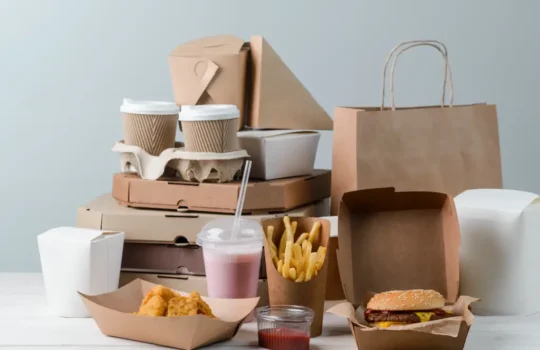
Nothing is worse than having your food delivered cold or your fries come out soggy. Your packaging needs to shield what’s inside from the elements on its way to your customers. For hot foods like pasta, stews, or stir-fries, find materials with high insulating properties, such as paperboard with bio-linings or moulded fibre. If you are working with fried foods, you’d need containers with built-in vents. With ventilation that allows steam to escape, your crispy chicken or French fries won’t arrive soggy. Clear plastics or plant-based PLA are good for cold items like salads or sushi because they help to maintain crispness and cold temperature.
Maximize Resistance to Leakage and Structural Strength
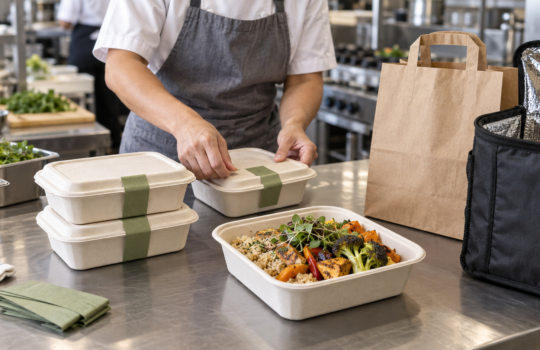
When your food is being delivered, it’s dealing with potholes, bumps, sudden stops, and whatnot. Amid all of this, your customers still expect their food to arrive in the best condition. Containers that wrap around the food and hold it snugly are best. Look for tamper-evident bands or heat-sealed film linings for high-liquid items such as curries or ramen. The material should be strong and sturdy enough to be stacked easily.
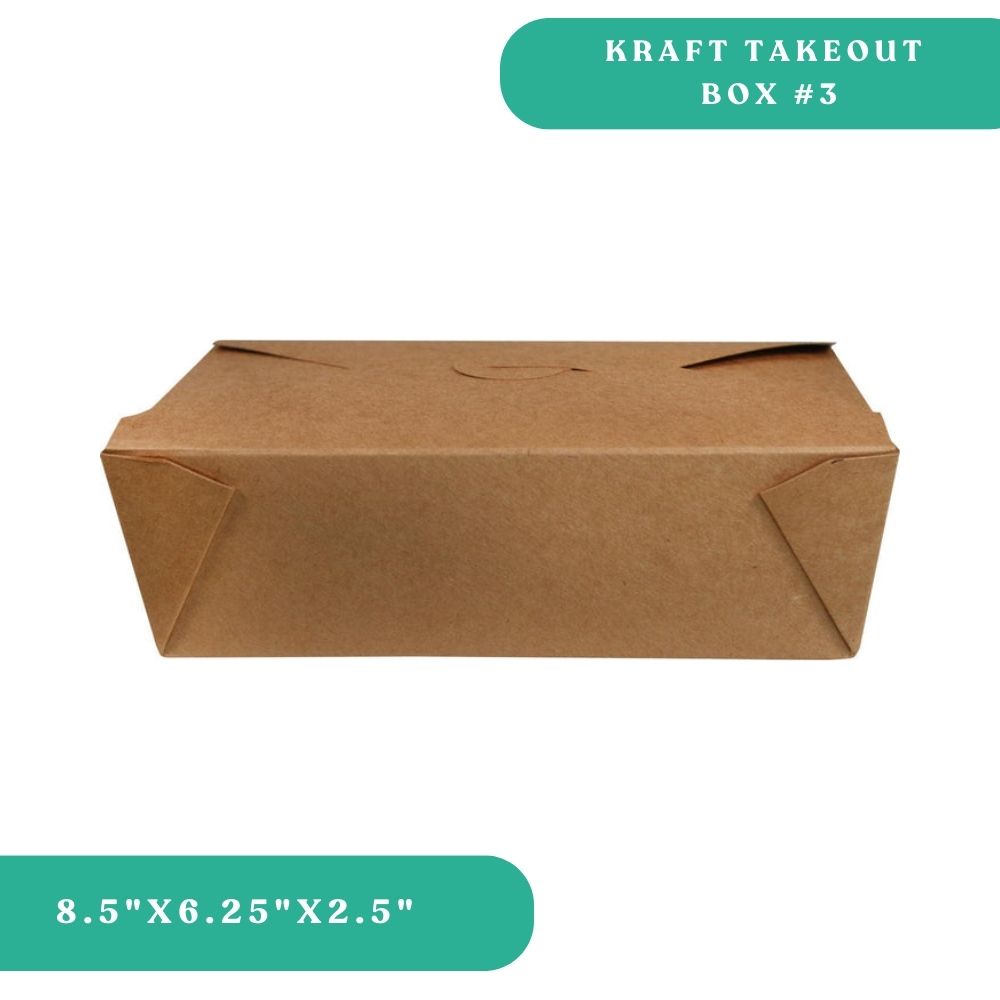
Choose the Right Material for Your Menu
Different kinds of food require different materials. Here’s a quick breakdown of some of the common options.
Paperboard
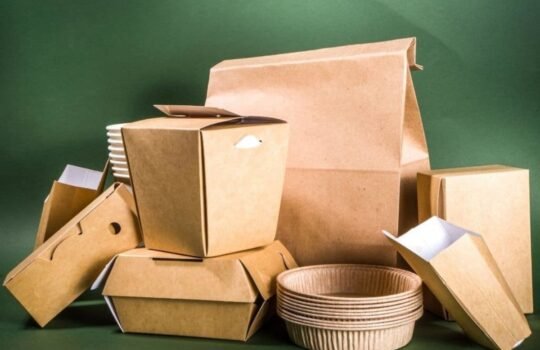
Good for dry/semi-dry foods, like baked goods, sandwiches, and wraps. It’s fantastic at being very customizable, and it has a much more premium look.
Moulded Fibre and Sugarcane (Bagasse)
Ideal for eco-conscious brands and increasingly popular. They work well for hot, oily foods and are commercially compostable.
PET and PP
For saucy dishes, soups, and cold items, PET and PP plastics are common options. Polypropylene (PP) is microwave-safe for easy reheating, while PET is better suited for cold items.
Optimize Your Size Choice and Portion Control
When your container is too big, you end up having small-looking portions, and the food will slosh to the sides, ruining your wonderful presentation. Similarly, squishing the food into a small box will result in a mashed presentation and potential leakage. For the best presentation, size your boxes to match your menu items. Containers with compartments that keep main dishes, sauces, and sides separate are smart ways to keep a variety of textures and flavours distinct.
Reflect Your Brand Identity
Your packaging is a travelling billboard that gets you moving from neighbourhood to neighbourhood and onto office desks. Custom-printed boxes, branded stickers, or custom paper bags can turn a simple delivery into a marketing opportunity. Your packaging should reflect your restaurant’s identity, emphasizing premium, artisanal ingredients, sleek designs, and high-quality materials. If your brand identity focuses on sustainability, make sure you’re using recyclable, compostable, or certified sustainable packaging to show diners that your business is green.
More Tips on Choosing the Best Packaging for Your Restaurant
Apart from the basic mechanics of keeping food in your packaging, there are operational and financial strategies you can use to get real value from your packaging system.
First, always do a real-world test on a sample before purchasing in bulk. Use your hottest, sauciest dish in a sample container, close the container, then let it sit for 30 minutes. If it gets soggy, leaks, or traps too much moisture buildup, you know it’s a poor fit for your kitchen.
Second, consider storage space in your restaurant. Hard, pre-formed plastic bowls take up a lot of space when compared to flat-packed, folding cardboard boxes. If your kitchen storage capacity is limited, look for foldable bowls that stack well to save space in a back-of-house layout.
Finally, remember to take assembly speed into account. Your kitchen crew won’t have the time to deal with overly complex folding tabs or lids that don’t snap shut on a busy Friday night rush. Look for intuitive, fast-close designs that will help speed up your packing line, so your drivers can get on the road quickly.
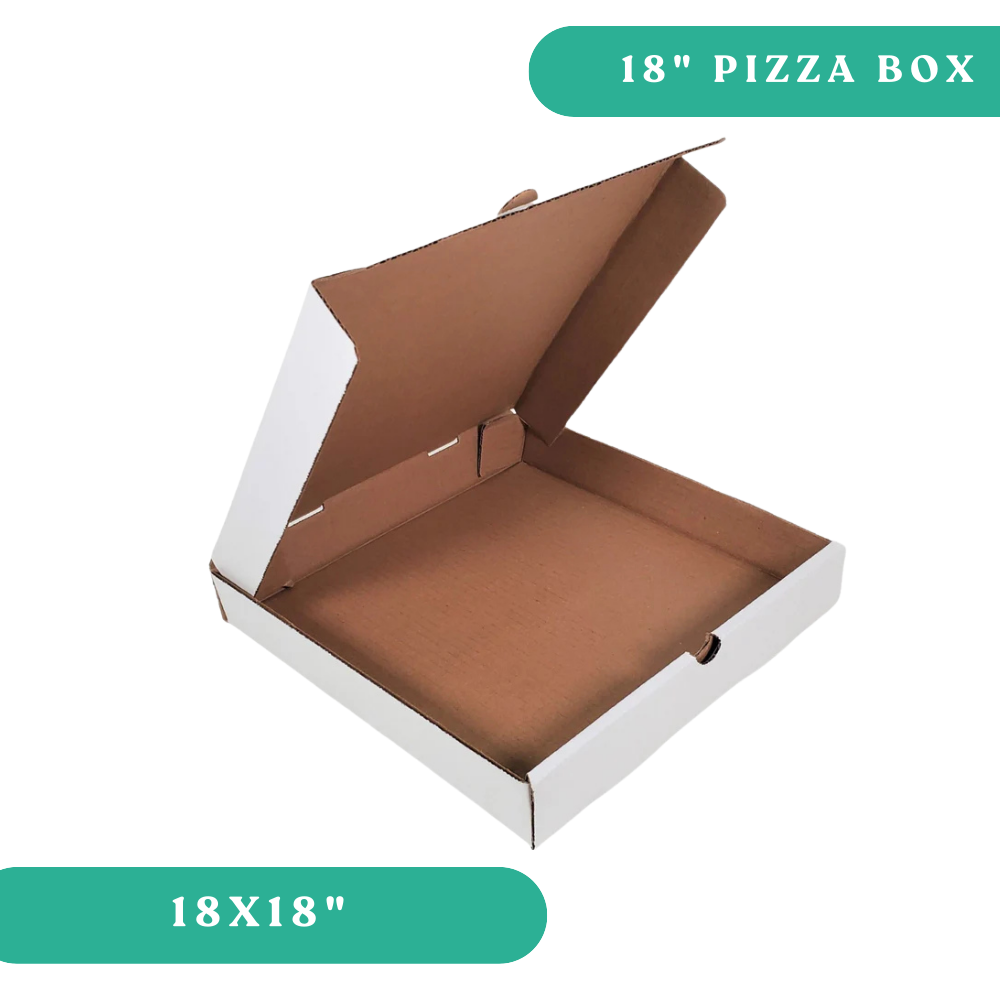
Buy at Planetize Packaging to Experience Packaging that Speaks for Itself
Good, reliable packaging means all that love and care you give to your cooking translates perfectly to your customers’ dining tables at home. But amid all these factors, it is essential to place your trust in a partner who truly understands your issues and will help you make a lasting impression on your customers. At Planetize Packaging, we specialize in high-quality, durable, and environmentally friendly packaging solutions designed to suit the modern requirements of food delivery. Whether it’s leak-proof soup bowls or well-ventilated burger boxes, our vast catalogue is here to meet your needs, ensuring your signature dishes arrive just as you planned.
There’s no need for bad containers to ruin your culinary hard work. Upgrade your presentation today, delight your customers, and increase your repeat orders. Explore our collection at Planetize Packaging to find the perfect one for your menu.
FAQs
Is Eco-Friendly Packaging Good for Hot Liquids and Greasy Food?
Yes. Modern green options such as sugarcane bagasse are highly durable. Many options are designed to resist oil and moisture without traditional plastic coatings, so they’re suitable for hot, greasy foods.
Is It Safe for Customers to Microwave Plastic Takeout Containers?
It depends on the type of plastic. Containers made of polypropylene (PP) are microwave-safe and able to withstand high temperatures. Many containers made from Polyethylene Terephthalate (PET) or Polystyrene are not microwave-safe and can melt or warp when heated. Look for the microwave-safe symbol on the bottom of the container.
Should I Go With Custom-Printed Packaging or Plain Boxes With Stickers?
If you have a lot of orders and a good budget, custom-printed packaging can really give a very professional and cohesive look. If you’re running a smaller operation or testing ideas, a cost-effective way to achieve a premium look is to buy plain kraft boxes and apply high-quality branded stickers to them.